


Review: Demon Hunter – There Was a Light Here
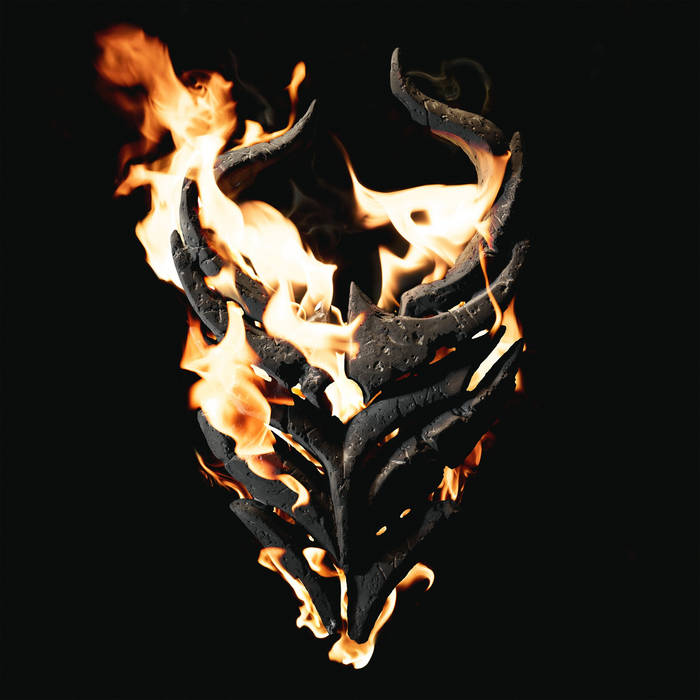
A veteran band takes a long look at loss and writes songs that make room for hope.
Demon Hunter: There Was A Light Here
I want this to be simple and true. There Was A Light Here feels like a late night when the house is quiet and you are honest with yourself. The songs are heavy, but the heart of the record is gentle and steady. After more than twenty years, Demon Hunter still knows who they are and what they want to say.
The facts first. There Was A Light Here released on September twelve, twenty twenty five on Weapons MFG. Ryan Clark and guitarist Jeremiah Scott produced it. Zeuss mixed and mastered the album, and the title track was mixed by Eric Stenman. The lineup is the same dependable core. Ryan Clark sings. Patrick Judge plays lead guitar. Jeremiah Scott plays rhythm guitar. Jonathan Dunn plays bass. Tim “Yogi” Watts plays drums. That team explains the focus you hear. These players know each other and they leave space for the song.
The sequence matters. Twelve tracks set in a clear order. It opens with “My Place In The Dirt,” moves through “Sorrow Light The Way” and “Light Bends,” hits the strength of “By A Thread” and “Ouroboros,” and closes on “There Was A Light Here.” I love listening to a whole album from beginning to finish. Many people miss out on that experience when they only grab one or two songs. This one rewards the full run. It feels like a story instead of a pile of singles. When you hear it straight through, the middle stretch becomes a map for walking through grief without pretending you are fine.
The rollout told us where this was headed. “I’m Done” came first in early May, then “Light Bends” in early June, and “Sorrow Light The Way” in early July. Even the titles point to a theme. Resolve. Vision. Guidance. On the album those ideas sit side by side and make more sense in context. The singles were strong on their own, but the full picture only appears when you hear how the opening tracks set the tone and how the closer gathers what came before.
What stands out right away is the scale of the sound. The guitars are thick and sharp. The choruses lift without losing weight. The vocal is placed where the lyric can be understood. Clark and Scott have refined that balance across many records together. Zeuss gives the drums a strong presence and keeps the mix clear. The title song feels a little more open because it is the one track mixed by Eric Stenman. That small credit note lines up with what I hear when the closer arrives. It sits just different enough to mark the end.
The language of the album is plain and honest. This season includes a real loss for Ryan Clark. That truth shapes the record without turning it into a diary. The word light shows up as action and as memory. In one song the light bends. In another the light leads. In the title the light is remembered. These are not slogans. These are working words for someone learning to see again after something breaks. Place the three summer singles in the center and listen back to back. You can hear a path. Stop carrying what does not help. Admit that perspective can warp under pressure. Ask for direction. I am not assigning motives. I am describing how the sequence lands when I listen in order.
One thing that has always set Demon Hunter apart is the way the music and the visuals serve the same story. Clark is not just a vocalist. He is a designer with a long resume and a point of view. Years before this album he talked about why the band kept returning to the same iconic skull and then insisted on reinventing it each time. He pointed to the band Chicago as a model for how a logo can evolve while anchoring the identity, and called that approach the perfect formula for their catalog. Look at the current era and you see that philosophy alive again. The art is not decoration. It is another part of the narrative. The palette, the texture, and the type match the temperature of the music. It feels considered, not casual.
The Blessed Resistance shows the same care on the community side. It is a membership home base with clear tiers and steady communication. It offers writings, demos, videos, and regular updates directly from the band. The tone reads like an invitation instead of a sales pitch. That suits this era. It tells me the band would rather build a long table than chase the next spike of attention. It also gives the most committed listeners a place to gather around the work itself.
I respect how physical formats still matter here. The store offers vinyl, compact disc, and cassette with credits and details laid out plainly. I like streaming. I also like having music I can hold and shelve. Demon Hunter makes room for both. The physical editions are not an afterthought. They feel like part of the plan. For people who read liner notes and care about who did what, that matters.
Here is how the songs land for me when I sit with them in order. “My Place In The Dirt” opens with a steady march and then hits hard. It sets the weight and the patience of the record. “Sorrow Light The Way” brings keys and melody in a way that carries ache and lift in the same frame. “Light Bends” locks in on tight guitar work and keeps the pulse moving. “The Pain In Me Is Gone” slows the pace without losing heaviness. It is reflective, not soft.
“By A Thread” has a feel that takes me back to earlier Demon Hunter while still sounding current. The way the chorus moves sparks that memory for me. “I’m Done” drives forward with a drum pocket built for a room full of people, and the guitar solo lands clean. “Ouroboros” puts a sharp lyrical edge right at the start, which fits the title. “Breaking Through Me” leans into a slow doom feel and gives the vocal room to draw longer lines. “Overwhelming Closure” opens with organ tones that sound haunted and set the mood. “Hang The Fire” earns a double take with its title and follows it with lyrics that ask you to think. “Reflected” carries a line that stuck with me, “Spent your last breath dying to be the one.” The title track, “There Was A Light Here,” closes as the slowest entry. Smooth vocals. Keys and acoustic guitar set the floor, and light drums come in halfway to keep the pulse. It sounds like the record taking a deep breath before the lights go out.
On performance and production I will keep the language plain. The band plays like a unit. When the guitars need to carry weight, they do. When the voice needs to sit in the center, it does. The rhythm section holds the ground without pulling focus from the line that matters. The credits tell the story behind that balance. Clark, Scott, Zeuss, and Stenman respect the song. The rest of the players add years of shared instinct. You can hear the trust.
There is also a quiet link to the last big pivot before this one. Exile arrived with a companion comic and a full world around the music. In that season Ryan Clark talked about building context that did not depend on the churn of the internet. He called social media a necessary evil and described a considerate audience that shows up and gets along. That posture still shows. The band is not chasing noise. They are building a body of work and inviting people in. The new record takes that same imagination and turns it inward. The world is smaller. The stakes feel higher.
I hear resolve without bravado. I hear lament without despair. I hear gratitude for the people who have walked with this band for a long time and curiosity about what comes next. The closer lands with a calm that suits the title. The last notes do not slam shut. They hang long enough to let the message settle. When the room goes quiet, I am ready to press play again. Not to chase a rush. To sit with a story told with care.
There Was A Light Here understands both ache and resolve. It carries the past gently. It looks at the present without flinching. It leaves the future open. I will not pretend that any record can fix what grief breaks. I will say that this one is worth the full sit down with no skips. That is how I hear it and that is how I think it should be played.
About Author
