


Feature: What Finland’s Heavy Metal Scene Reveals About What Lies Beneath Silence
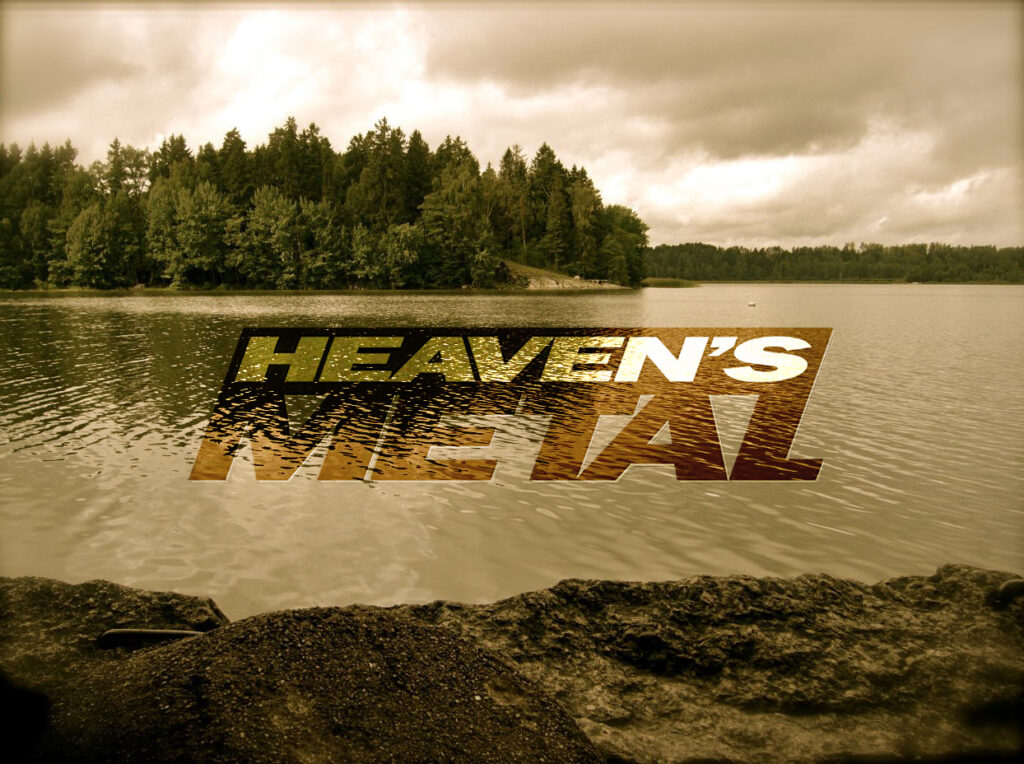
Many spend their spring break heading somewhere warmer, but I traded the cold of Detroit for the even colder still of Scandinavia. Having spent significant time in Finland before, I had already come to appreciate the remarkable peace and intentional quiet that this country prides itself on.
Scandinavia carries a reputation for simple, placid, and mindful living, and visiting a small city in the already remote nation of Finland reinforced this. The clean, quiet streets, the polite people, and the untouched nature all reflected this atmosphere.
Scandinavia is also known for something seemingly opposite: heavy metal music. In fact, the region holds the highest concentration of heavy metal bands per capita in the world, with Finland leading the way.
I remember thinking about this contrast while I walked through the calm, picturesque thoroughfares. How can a place so deeply associated with peace and restraint also produce one of the loudest and most aggressive genres of music?
I began to consider that the answer may lie beneath the silence itself. In a country where quiet is valued, the widespread presence of heavy metal suggests that sound becomes an expression of something deeper: a shared human longing for connection, meaning, and belonging.
Finland has a proverb that says, “Speech is silver, but silence is gold.” The saying reflects the Finnish people’s deep appreciation for quiet. Even in the largest city, Helsinki, there is a noticeably low noise level in everyday life, whether sitting in a restaurant, shopping, or simply commuting. Conversations are measured, personal space is respected, and quiet is not something to be filled, but something to be valued.
At the same time, this restraint is not without its challenges. While it can shape thoughtfulness and depth, it can also leave people feeling isolated or worse. Still, silence is not viewed as awkwardness or insecurity, but as something that can help form character and culture.
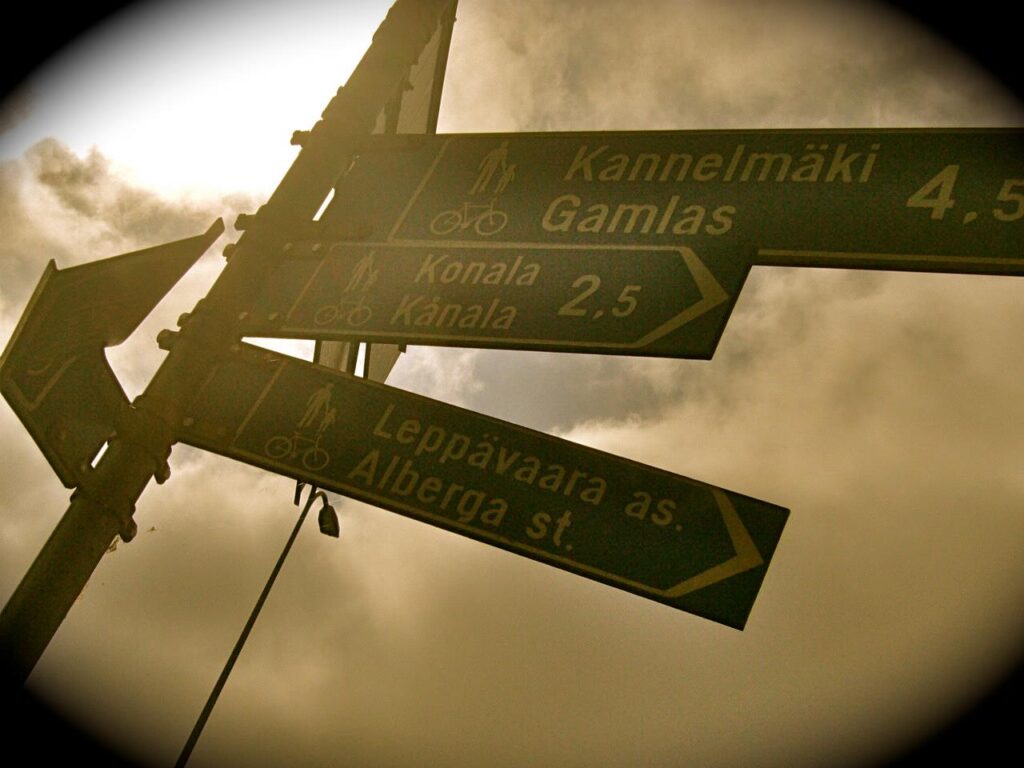
Against this backdrop of quiet, something entirely different emerges. It was a weekday evening when Tavastia Club sold out for a heavy metal show. In the heart of Helsinki, I watched as hundreds of metalheads lined up outside the venue. Once inside, the place shook with amplified force. The audience screamed in appreciation and participated in every show antic. Circle pits were constant, and the sing-alongs were deafening.
The conviction in the music unleashed a visceral response, revealing the strong connection people have with the art. There was a genuineness not only in the performance, but in the crowd itself. People fully gave themselves to the bombast and movement of the moment, a striking contrast to the daily quiet that so often defines the country.
Part of the heavy metal movement has always been willing to declare that not everything is okay in a very loud way. Emerging around the time of flower power and disco, metal gave voice to telling it like it is. “Paranoid” by Black Sabbath was an unadulterated look at mental health. “Fade to Black” by Metallica emotionally addresses despair and inner struggle. Finland’s own Nightwish has a song called “Nemo” exploring the meaning of life. These are prized pieces because they connect deeply with the human experience. Metal can create connection through its passion and release.
Some musicians spoke into this with personal insight. Eero Tertsunen of the symphonic metal band Renascent reflects on the weight behind the music, explaining, “good art (metal) needs trauma.” He points to realities in Finland such as recession, alcoholism, suicide, and the weather as part of that influence, adding, “(The) spearhead of finnish metal (includes) mostly thick dark or grey due humidity – land of 1,000 lakes.”
Aki Sarkiojas of Immortal Souls echoes this, saying, “Long dark winters have shaped Finnish as melancholy, profound, and deep, all characteristics of great heavy metal.”
Matti Taina adds, “Finns are a bit melancholy and ‘simple’ (rough around the edges) people, so the crudeness and limitlessness of extreme music opens a channel to express oneself without subtlety.”
This becomes even clearer in live experiences. As Sarkiojas puts it, “Loud heavy metal is a great way to be alone in a crowd. No possibility of small talk.”
Taina also reflects on belonging, saying, “There was a definite connection between the metalheads attending some specific shows and festivals. Pastor Bob Beeman – talks about the metal family.”
In a culture where quiet is valued and darkness lingers for long stretches, this kind of connection makes sense.
Bands that carry weight in their art are met by crowds who fully engage with it. There is nothing casual in the way fans throw themselves into circle pits with raised fists, stand silent at full attention, or loudly sing along.
In a culture where these expressions are sometimes restrained, a concert is a way for people to feel comfortable, express themselves, and be with others who share the same enthusiasm. There is a strong sense of belonging and camaraderie at these shows. The reservation and intentional thoughtfulness of Finland do not contradict this outlet, but actually complete it.
The relationship between Finnish culture and the heavy metal scene offers insight into human nature. Victor Hugo once said, “Music expresses that which cannot be said and on which it is impossible to be silent.” Beneath the distortion, volume, and intensity of metal is a deeper drive at work.
I noticed at this show that when the headliners took their final bow and the crowd began to leave the venue, the mood shifted. I saw sweaty, smiling faces, the floor littered with trash, and a long line at the merch table. There were comments about how they wished the set had lasted longer and hoped that the band would return soon. There was satisfaction in the moment, but also a sense that something remained just out of reach.
That feeling stayed with me. The music had been loud and powerful, pulling everyone into a shared experience, but it did not resolve everything it stirred up. If anything, it made those deeper emotions more visible and pointed to something more than this world can offer.
In the Bible, Ecclesiastes 3:11 says that God has set eternity in the human heart. As I reflected on what I had seen and felt, that idea stayed with me. The longing I noticed did not seem accidental, but like something placed within us.
Scripture calls us to respond to that longing through faith in Christ, through whom we are offered salvation. It is in Him that this deeper desire for belonging and purpose is ultimately met.
My time in Finland showed me that the quiet is not emptiness, and the music is not just noise. Both reflect something more that reaches beyond what silence or sound can contain.
Works Cited
“‘Heavy Metal in Scandinavia: Why the Nordics Dominate the Genre.’” Big Think, https://bigthink.com/high-culture/heavy-metal-scandinavia/. Accessed 22 Apr. 2026.
“Psychology Expert from Finland, the World’s Happiest Country, Shares the Meaning of Life in 5 Words.” CNBC, 9 June 2023, https://www.cnbc.com/2023/06/09/psychology-expert-from-finland-the-worlds-happiest-country-shares-the-meaning-of-life-in-5-words.html. Accessed 22 Apr. 2026.
Hugo, Victor. “Music Quotes.” Classic FM, https://www.classicfm.com/discover-music/latest/quotes-about-classical-music/hugo/. Accessed 22 Apr. 2026.
About Author
