


Feature: Lament albums ranked from worst to first
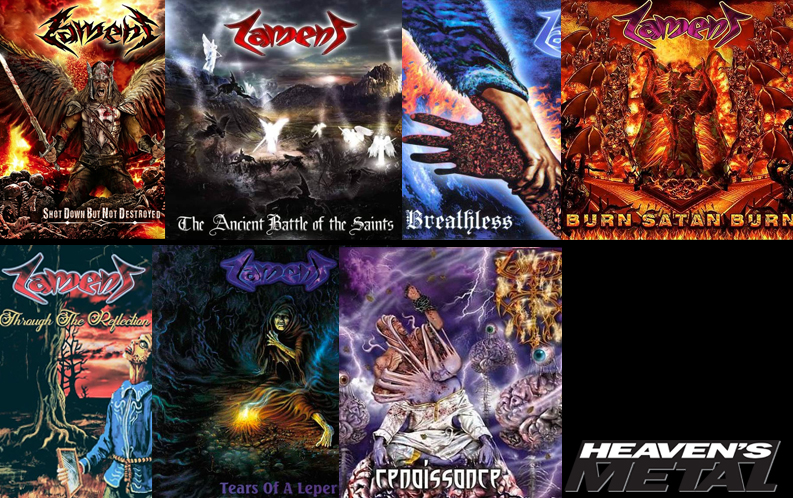
Lament Albums Ranked From Worst to First
Lament remains without a doubt one of the most uniquely individual death metal acts I have ever heard. Even if you’re not a fan of their extremely eclectic approach to the genre, you’ve got to admit that there are very few bands, if any, out there that sound just like these guys when you consider the stylistic sum of their parts. They’re the band that got me into melodic death metal as a subgenre (formerly a style I practically all but avoided or ignored outside of an occasional album here or there), and somehow, at least on one album, they managed to take the otherworldly sonic horror of a band like Demilich and blend it with Opeth-like acoustic guitars (no small feat, if you’ve heard either of those bands). But like many bands with lengthier discographies over the years, they have also managed to switch up their approach somewhat and not only are known as a death metal act, but a power metal one as well. Suffice it to say, Lament are not your average band. Time to dive in and rank one of the most varied death metal discographies I’ve ever come across.

Breathless
Breathless falls firmly into their pure “power metal” phase, even if I would refrain from describing this album as a power metal one. In my view, this record’s style is essentially melodic death metal in the music, but power/heavy metal with the vocals. It’s a bit of a tragic end result, as the music on here is really good melodeath, but the clean singing of Abel Gomez is simply not my style. However, if you’re one of those headbangers who finds death metal hard to get into, perhaps this could be a gateway to heavier things? An acquired taste.

Shot Down But Not Destroyed
You can’t judge a book by its cover, and that’s definitely the case with this one. The wounded angelic warrior swimming in a sea of skeletons and the more death metal-ish looking band logo make it all look like the band is going in a heavy direction. Not so much. Lament’s latest album dials back the melodeath of Burn Satan Burn in favour of a decidedly traditional heavy metal/power metal sound far more influenced by a band like Saint, though still maintaining the eclectic approach the band is known for. The occasional tracks like “Pueblo Sin Dios” and “Ruge el Leon” do pick up the aggression somewhat and boast Gomez’s more traditional death growls, but the music is very much of the heavy/thrash variety. Speaking of vocals, this one’s got it all – shouts, clean sung vocals, growls, and everything in between. There are some gorgeous moments on the album in terms of some of the serene guitar instrumentals (the acoustic medley at the end that revisits material off their first album is fantastic), and the album is definitely headbangable, but it’s all a bit too light for me. For some, this might be a Godsend; for myself, power metal and traditional heavy metal are just not my cup of tea, and the blending of styles on here just doesn’t do it for me. If it IS your cup of tea, though, you’ll find lots to enjoy here.

Renaissance
Easily Lament’s most raw and under-produced record, the garage-level production on here actually works in the band’s favour in terms of creating some really abrasive material. There’s even some black metal-esque vocal work on here that’s unique to this record in particular, and the death metal here is frantic, immediate and acidic. Unfortunately, there are some moments that mar an otherwise decent record – “Santo Es Jehova (Holy is the Lord, Creator of Universe” sticks out like a sore thumb amidst all the caustic melodeath that it finds itself sandwiched between, and “Take This Life” with its clean singing that seems entirely at odds with the music behind it doesn’t work for me. But as a bit of an oddity in an already eccentric collection of albums, Renaissance’s hyper drum work, black metal rasps, and demo-level production still make for interesting listening.

Burn Satan Burn
It’s hard not to get excited about an album like this, especially if you’re a big melodeath fan. Burn Satan Burn is, I would say, the most traditional melodeath album in the band’s discography in that it blends the sounds one would associate with acts like Iron Maiden with the heaviness and guttural vocals of traditional death metal. Though the approach is softened a little from its predecessor, The Ancient Battle of the Saints, Burn Satan Burn still manages to stay the course. Like all good melodeath, it walks a fine line between brutality and harmony; I can hear a definite early In Flames influence on this one, and as a fan of that band, it only makes me like the record even more. The guitar leads on this also bear that classic In Flames sound to a degree, but it’s the low-end roars of Abel Gomez that give this one a frightening edge. It’s a blend of the heavy and the melodic that works very well.

Tears of a Leper
Really, this one should be first in many ways. The only album featuring the ridiculously deep, bowel-shaking vocals of Marco Perez, Tears of a Leper is an absolute classic that manages to be both grotesquely heavy and beautifully serene all at the same time. Like I mentioned above, somehow they managed to take the progressive style of Opeth and blend it with the gut-churning heaviness of Demilich, and make it work. The bass guitar on here is just as much front and center as the lead guitars, often carrying the central melody of the tune over the murky grinding guitars that propel the songs along. It’s an album that is as pensively reflective as it is utterly brutal, and one of the most unique and uniquely heavy melodic death metal records going. Mandatory listening.

The Ancient Battle of the Saints
After Breathless and Renaissance, Lament decided to go back to their death metal roots full-on with The Ancient Battle of the Saints. From start to finish, this album is rock solid death metal. While the band’s melodic elements are still intact on this one (the bass guitar as leading instrument makes an appearance on “Book of Power”), what I love about this record is its emphasis on supremely ominous riffs, especially the monolithic surging wall heard on “Politician.” From start to finish, the album rips like classic Pantokrator and crushes Bolt Thrower; it may only be eight tracks, but there’s no excess to be trimmed. In short, it may not match the gutturals and grinding guitars on Tears of a Leper, but it’s an overall heavier package that chooses to experiment less and just go for it. Awesome.

Through the Reflection
This one might be a bit of an upset to put first, but I can’t help but think that this album is truly unlike any other, along with being incredibly good. As I’ve noted before, Lament, by and large, play melodic death metal; it’s just that they play it in a way that’s totally their own. Through the Reflection is definitely a step back from the crushing heaviness of Tears of a Leper, and the loss of Marco Perez’s gurgling growls is a huge loss in my view. That said, Abel Gomez’s anguished yells more than fit the bill here, and despite how histrionic they are, they really serve to drive the lyrical themes of loneliness, despair, and spiritual struggle home. Musically, what is really the highlight of this album as a whole is its use of the bass guitar as a leading, central instrument, placing the guitars in the background and inverting the normal structure of the instruments as a whole. It’s melodeath with a groove, anguished and searching in its delivery. To my mind, it remains alone as quite possibly the most unique death metal album I’ve ever heard.
About Author
