


Feature: Imperial Dusk Albums Ranked From Worst to First
Imperial Dusk Albums Ranked From Worst to First
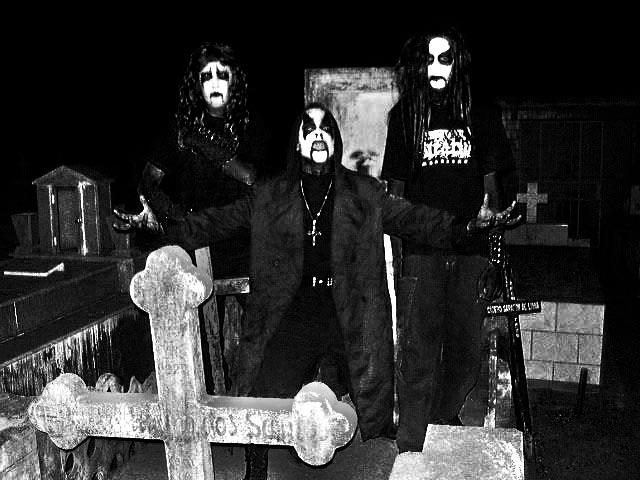
Imperial Dusk was a band that, for a long time, I couldn’t take seriously. I judged this particular book by its cover; in this case, it was the band’s cartoonish album artwork on their original releases that especially put me off. I know black metal can get a bit ridiculous looking (I’m sure we’ve all chuckled over Immortal’s Battles in the North cover pic at one point, in spite of its classic status), but this made me instantly think that the content would be juvenile at best, in the worst way. However, I stumbled across this band years later, and am glad I gave them a chance. Imperial Dusk are arguably the most prolific of South America’s unblack hordes (with some members also being involved with the Mercyful Fate-esque Dark Night, as well as Nocturnal Freeze and Brutal War), having released several albums and EP’s over the course of their career. Their albums showcase a style that is obviously enamoured with Norwegian and Swedish black metal, verging from aggressive Swedish-style black metal to viking metal to symphonic black metal. Thankfully, Vision of God Records has given their catalogue a total revamp, replacing the campy old cover art with far superior imagery evoking the albums’ titles and musical style. It should be noted that there are a few discrepancies between the original releases and the revamped/remastered ones on VoG’s Christian Metal Underground label; the ones I am talking about here are all the final remastered versions.
A quick side-note: As a band, Imperial Dusk have never seemed to shy away from controversy, and like several other unblack and death metal acts (Endless Sacrifice, Anti Katholische, Crucifijo Impúdico) have been pretty openly critical of Catholicism on historical and theological grounds (something I myself am generally not a fan of seeing in the Christian metal world, but that’s me); Catholic listeners may wish to exercise some discernment here.
The Way of the Viking
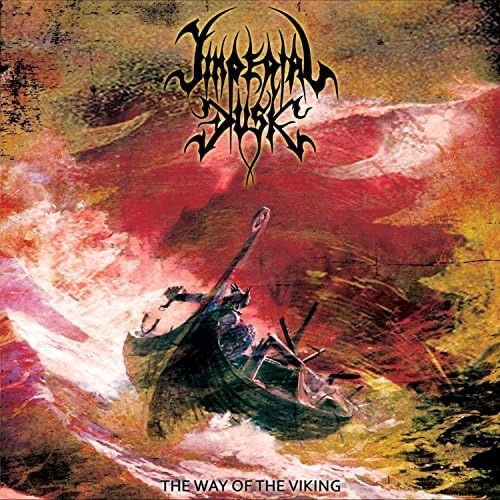
And thus began the viking metal era of the band. For two albums or so, Imperial Dusk ditched the manic assaults of their early days and opted for a strange, almost artificial-sounding approach concerning all things viking and nordic. The problem with The Way of the Vikingis that it boasts the same annoying whistle/flute sounds as Panopticon’s Kentucky album (a missed opportunity if ever there was one), but feels far less natural. The vocals are much heavier than previous efforts, and I can dig the metal on here, but those flutes, pipes and synths are just so distracting and irritating that they ruin the record for me.
Riders of Vikings
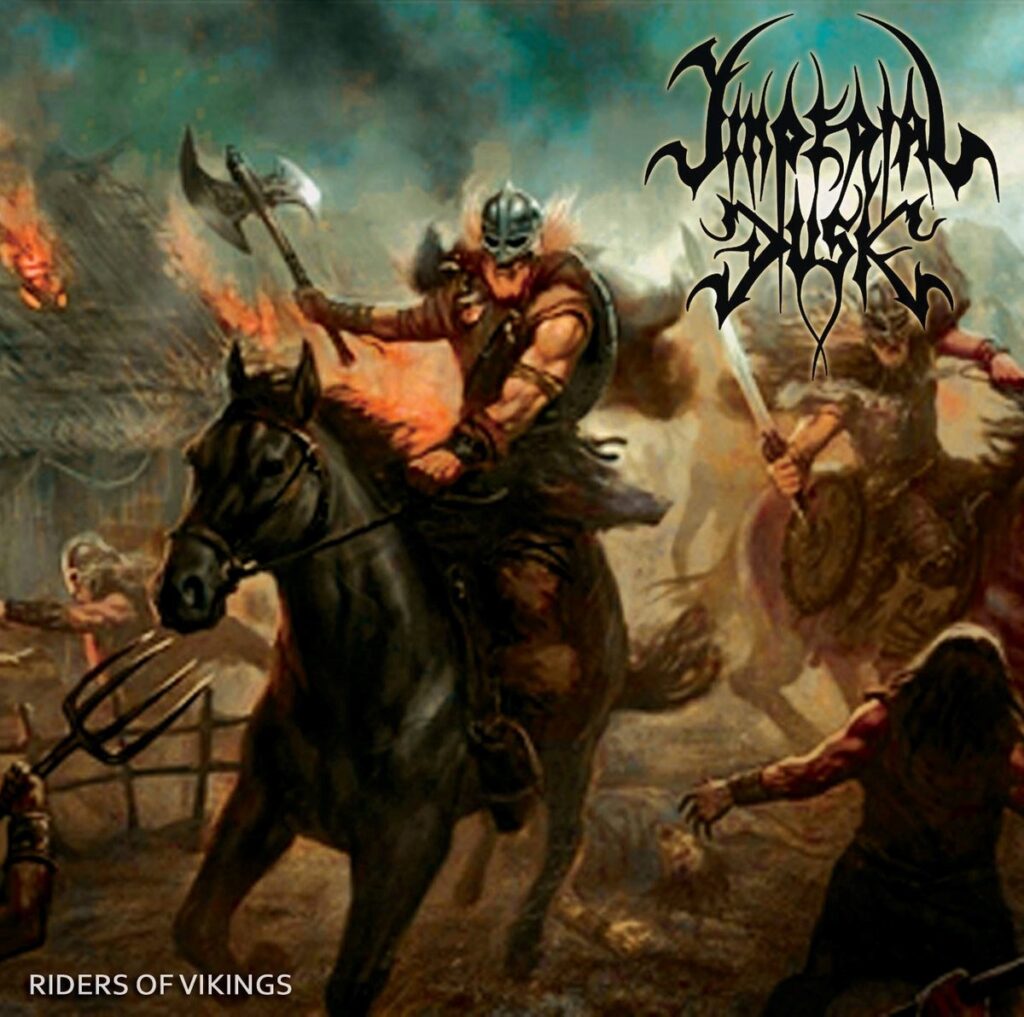
My first impression of this album was that it was embarrassingly bad, like an entire album’s worth of Dimmu Borgir’s hilariously awful song off of For All Tid, “Over bleknede blaner til dommedag”. No thanks. And yet, for what it’s worth, it’s got its moments. Similar to The Way of the Viking, Riders of Vikings eschews the band’s previous ferocity even more in favour of a more mid-paced, melodic approach laden with synths and electronic flutes. Partly sounding like the soundtrack for the old-school Playstation game Pandemonium, it’s hard not to chuckle at the over-the-top revelling in all things Scandinavian and viking-related, especially when it comes to the clean singing. Somehow though, despite it all, Riders of Vikings manages to be entertaining perhaps in the same way that a band like Slade is; once you get past all the overt ridiculousness, there’s actually some pretty darn good songs in there. The issue is that they’re really hard to hear behind all the corny excess.
Long Live the King of Winter and Thunder Lord
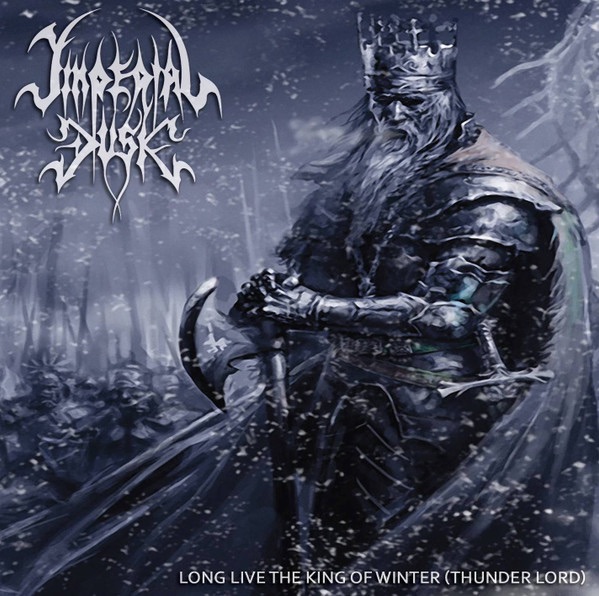
By the third album, you should know what you’re going to get with early Imperial Dusk – lots of militant blastbeats, raspy croaks from vocalist Nocturnu, and relentless early Marduk/Enthroned-style aggression. Of course, there is nothing wrong with this at all, and if you enjoyed the first two albums and don’t expect anything in the way of re-inventing the wheel or significant stylistic changes, you’ll like this one too. That said, the fact that this third album sounds almost interchangeable with the first two, sonically-speaking, speaks to me of a band dangerously on the verge of being in a sonic rut; however, bands as diverse as Obituary, AC/DC, Cannibal Corpse and Marduk have largely stuck to the same sonic formulas over their careers, and this is precisely why many love them: fans know what to expect. But for me, it’s getting tired by this point in their discography. That said, putting their stylistic stamp on their cover of Antestor’s “Jesus, Jesus Ver Du Hja Meg” is pretty amazing, and gives a whole new blast beat-driven twist on a doomy classic.
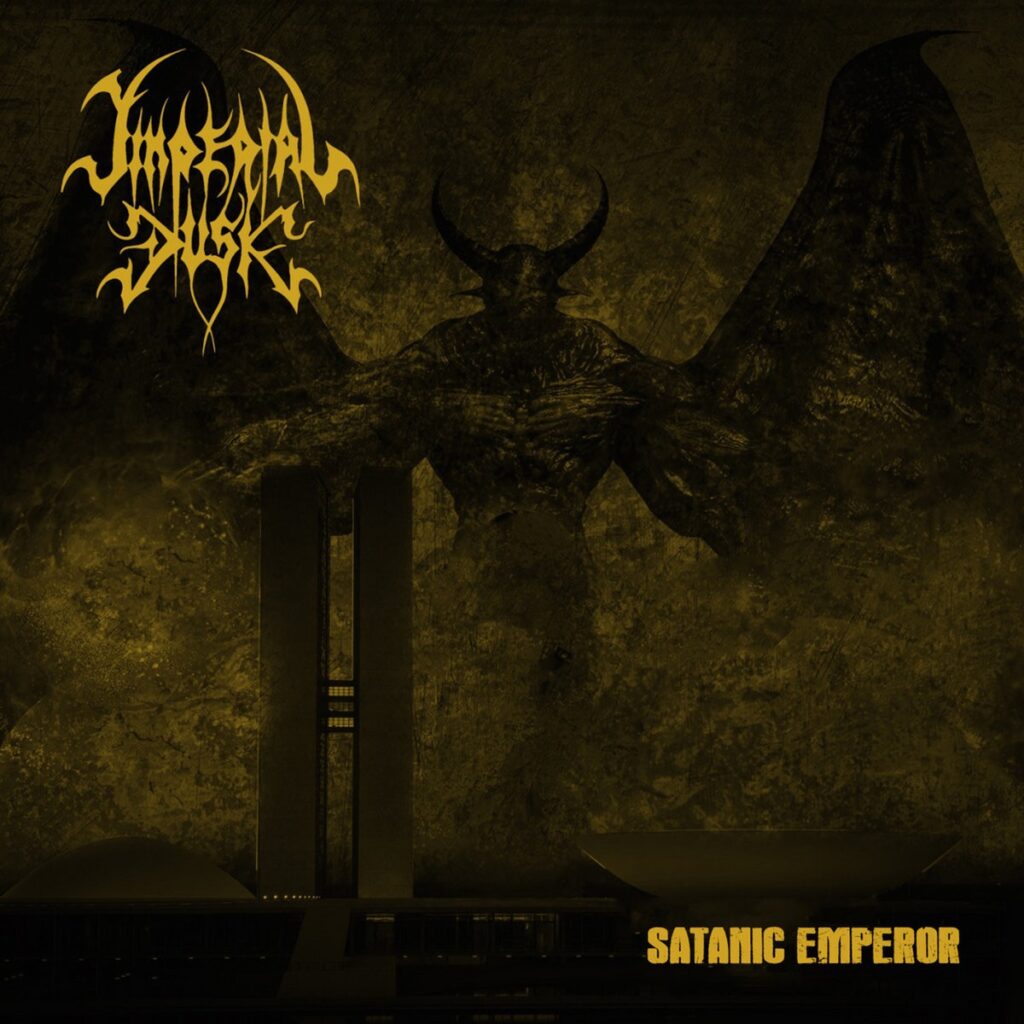
Satanic Emperor
Satanic Emperor is an album that’s one step forward, two steps back. After the viking-metal detour that was The Way of the Viking, Imperial Dusk decided to go back to their original approach, at least somewhat. Thankfully, the album sounds fresher than Long Live the King of Winter and Thunder Lord, the riffs being far more dramatic, the pace more varied, and the constant aggression of their early albums tempered with a bit more in the way of atmosphere. Still, its more mid-paced approach occasionally comes off as flat and tired to me, and the synth trumpet horns are pretty corny. In spite of these aspects, while there are better records in their catalogue, it’s still a decent one for fans of their style, functioning as a blend of their later symphonic-esque stylings and their early frigid intensity.
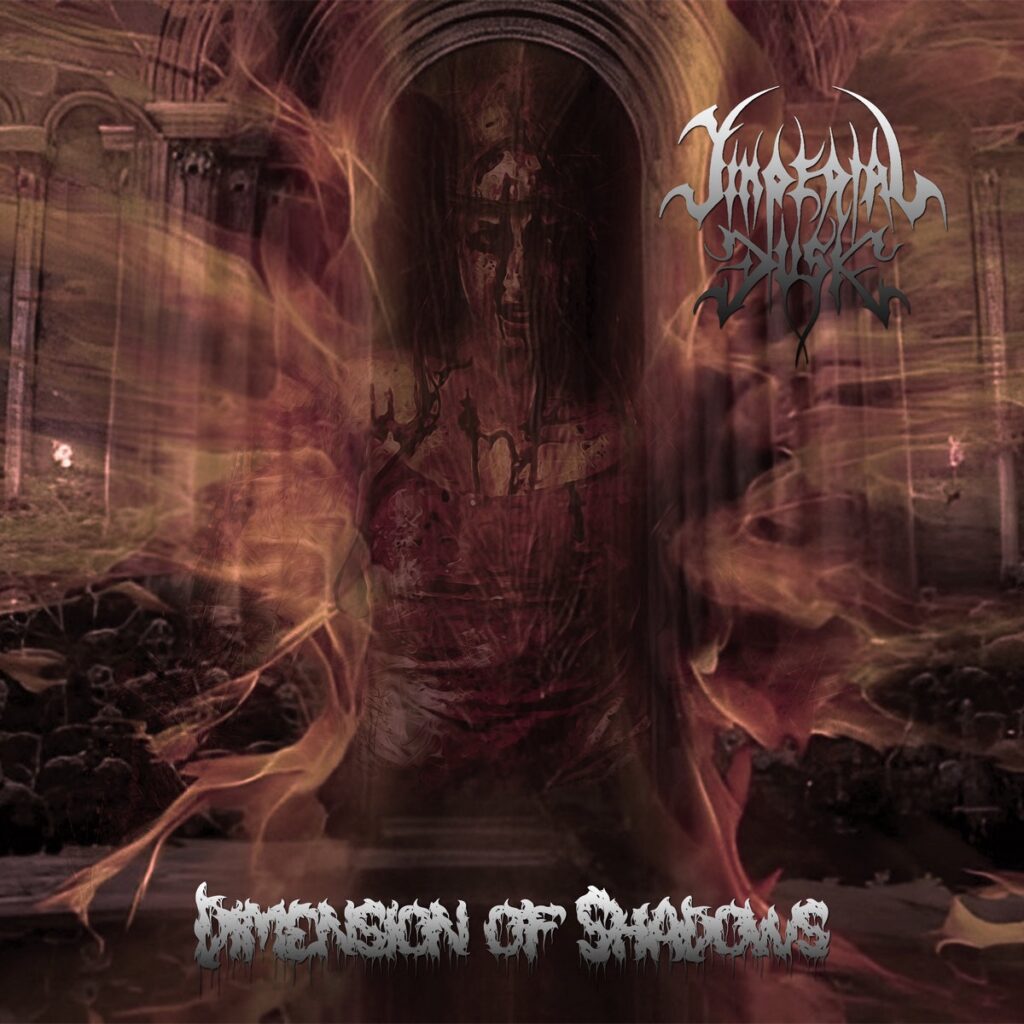
Dimensions of Shadows
Dimensions of Shadows sees Imperial Dusk not only at their most symphonic, but also sees the band inject a whole ton of gothic elements into the mix as well. Everything about the album is epic and grandiose, and by and large, the band have definitely ditched their early militant sound at this point. The vocals of Nocturnus are layered and roared rather than raspy. Operatic female vocals from an unnamed singer smacked me up side the head, so unprepared was I for them from a band like this. Similar to the ones heard on Inflamed’s gothic/black opus, Slain From the Birth of Flesh, they are pretty good but poorly mixed in too loudly so that they don’t complement the music as much as they should. Regardless, Dimensions of Shadows amps up the gothic elements in a big way, throwing in synths, bells, choir effects, and even more traditional heavy metal and goth rock riffing into the mix. Does it work? I’d say so, even if I’m not hyper-keen on the style.
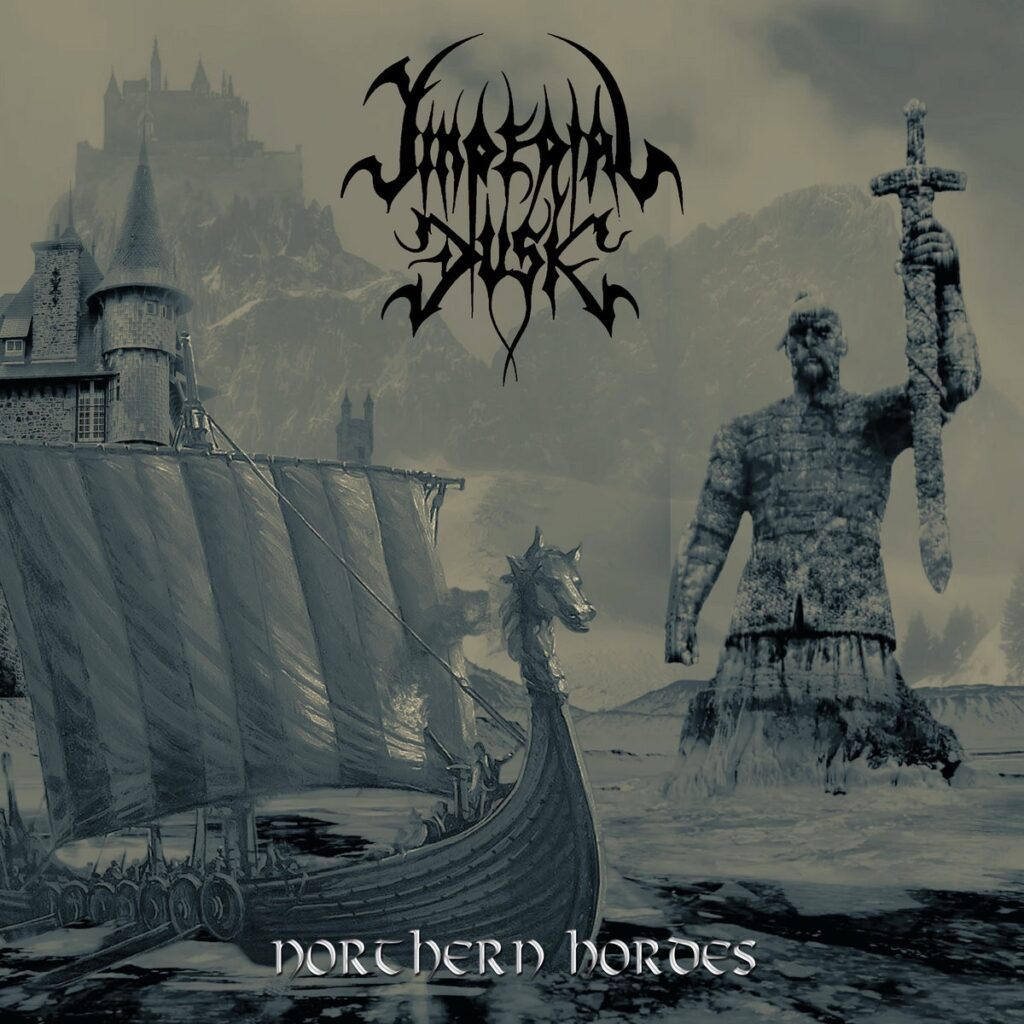
Northern Hordes
Imperial Dusk’s longest-running album, Northern Hordes signalled a distinct shift in style for the band, opting for a more symphonic black metal approach that fans of Ceremonial Sacred, Bleakwail, Slechtvalk, 90’s Dimmu Borgir and early Dark Fortress will most likely enjoy. Musically-speaking, it’s a much fuller meal on offer here than the lean and mean sounds of their early records, but that doesn’t mean it isn’t any less intense in its own way. The keyboard-driven grandeur reminiscent of Dimmu Borgir at their most classic is tastefully done on here, something that can’t often be said for many bands. A solid effort.
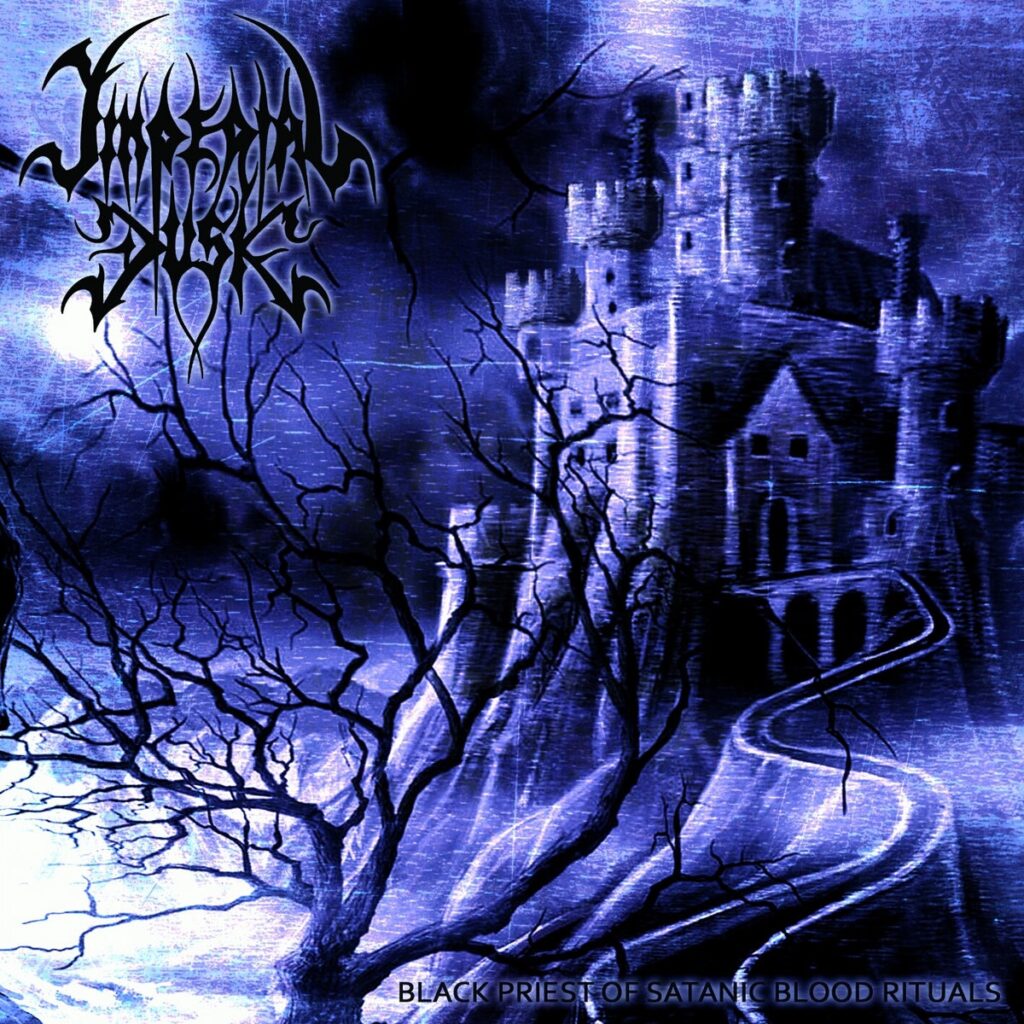
Black Priest of Satanic Blood Rituals
Imperial Dusk’s early sound ditched any musical excesses in favour of a war-like, militant approach focused on speed and constant sonic assault similar to what one would hear from early Enthroned and Marduk. What is at the heart of this music is the sheer thrill of track upon track of traditional, ice cold and furious black metal. Riffs flow and cascade along the violent blastbeats in a manner that evokes similarities to Enthroned’s Apocalypse Manifesto, Marduk’s Those of the Unlight, and Fire Throne’s Day of Darkness and Blackness. What separates Imperial Dusk sonically from being merely the black metal equivalent of a steamroller is the haunting melodies found in the streaming guitar riffs, bringing to mind a touch of early Emperor circa In the Nightside Eclipse (for some reason, there is a section in the track entitled “The Return of the Enthroned Beast” that really makes me think Emperor). Vocals are somewhere between the frog-like croaks of Abbath of Immortal and of Lord Ecklectus of Golgota. Overall, it’s a riveting and refreshing black metal experience, cold and relentless. A worthy offering.
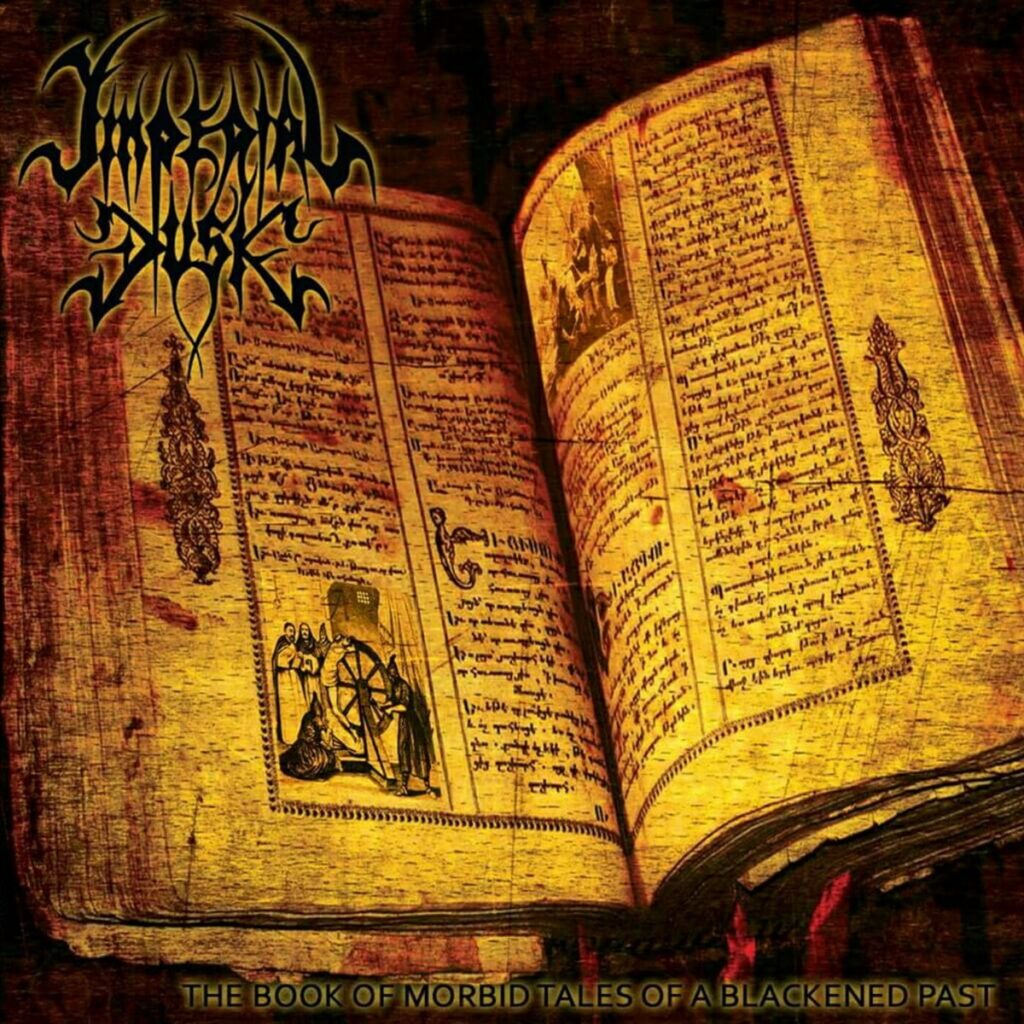
The Book of Morbid Tales From a Blackened Past
Essentially a sequel to Black Priest of Satanic Blood Rituals, The Book of Morbid Tales From a Blackened Past is more of the same aggressive, turn of the millenium Enthroned-style blasting (think Apocalypse Manifesto or Armoured Bestial Hell) as the first album but with an even more hostile approach and more of an ominous atmosphere. Unlike BPoSBR, boasts more intricate riffing, with “Nosferatu (Transylvanian Empire)” somehow managing to blend (ironically) Transilvanian Hunger-esque melodies with ones that sound eerily reminiscent of the gothic melodies heard on Cradle of Filth’s Dusk…and Her Embrace. It all hits harder and darker than before and boasts more intricate riffs, making for an even better record than the first.
About Author
